Geronticus eremita
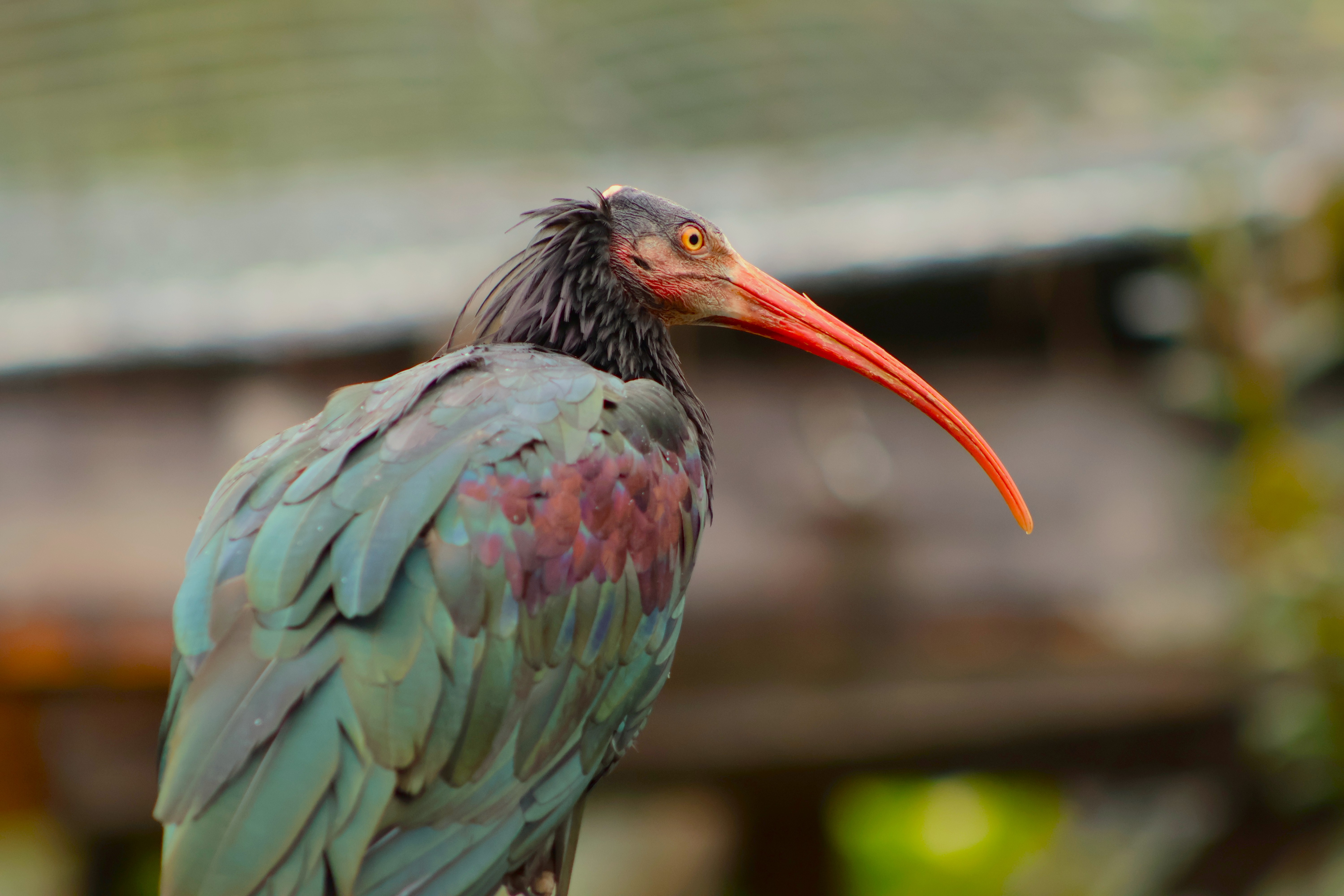
The waldrapp ibis, also known as the northern bald ibis, is a striking bird recognized by its glossy black feathers with an iridescent sheen, bald red head, and long, curved bill. Historically found across parts of North Africa, the Middle East, and southern Europe, this species prefers rocky cliffs and open landscapes near feeding grounds such as grasslands and wetlands. Once widespread, the waldrapp ibis experienced dramatic declines over centuries, making it one of the rarest bird species in the world.
According to the International Union for Conservation of Nature (IUCN), the waldrapp ibis is currently listed as Endangered. Habitat loss, hunting, pesticide use, and disturbance at nesting sites contributed to steep population declines. By the early 2000s, only a small wild population remained in Morocco, and the species was considered regionally extinct in much of its former range. Thanks to intensive international conservation efforts, wild populations are slowly increasing. Despite this progress, the species still requires active management and protection.
Waldrapp ibises are part of fragile ecosystems. As foragers, they feed on insects and small invertebrates, helping regulate populations and maintain ecological balance. Their recovery story is also a powerful example of global collaboration in conservation. Protecting this species requires coordinated efforts across countries, highlighting the importance of international partnerships.
Did you know?
Some reintroduction programs have used ultralight aircraft to teach young birds safe migration routes.
They nest on rocky cliff ledges for protection from predators.
Their black feathers shimmer with green and purple tones in sunlight.
Waldrapp ibises live and migrate in groups.
Both parents share incubation duties and chick-rearing.