Cynomys ludovicianus
Black-tailed prairie dogs are social, burrowing rodents native to the grasslands of central North America, including the United States, Canada, and Mexico. Once numbering in the hundreds of millions, these small mammals are known for their complex underground tunnel systems and their loud, bark-like calls that earned them the name “prairie dog.” Their tan fur and black-tipped tails help distinguish them from other prairie dog species.
According to the International Union for Conservation of Nature (IUCN), black-tailed prairie dogs are currently listed as Least Concern. However, their populations have declined dramatically from historic numbers due to habitat loss, eradication efforts, and disease. Prairie dogs are highly susceptible to sylvatic plague, a disease introduced to North America in the early 1900s. Even though they are not endangered today, many conservationists consider them a keystone species because so many other animals rely on their colonies for survival. Protecting prairie dogs means protecting an entire ecosystem.
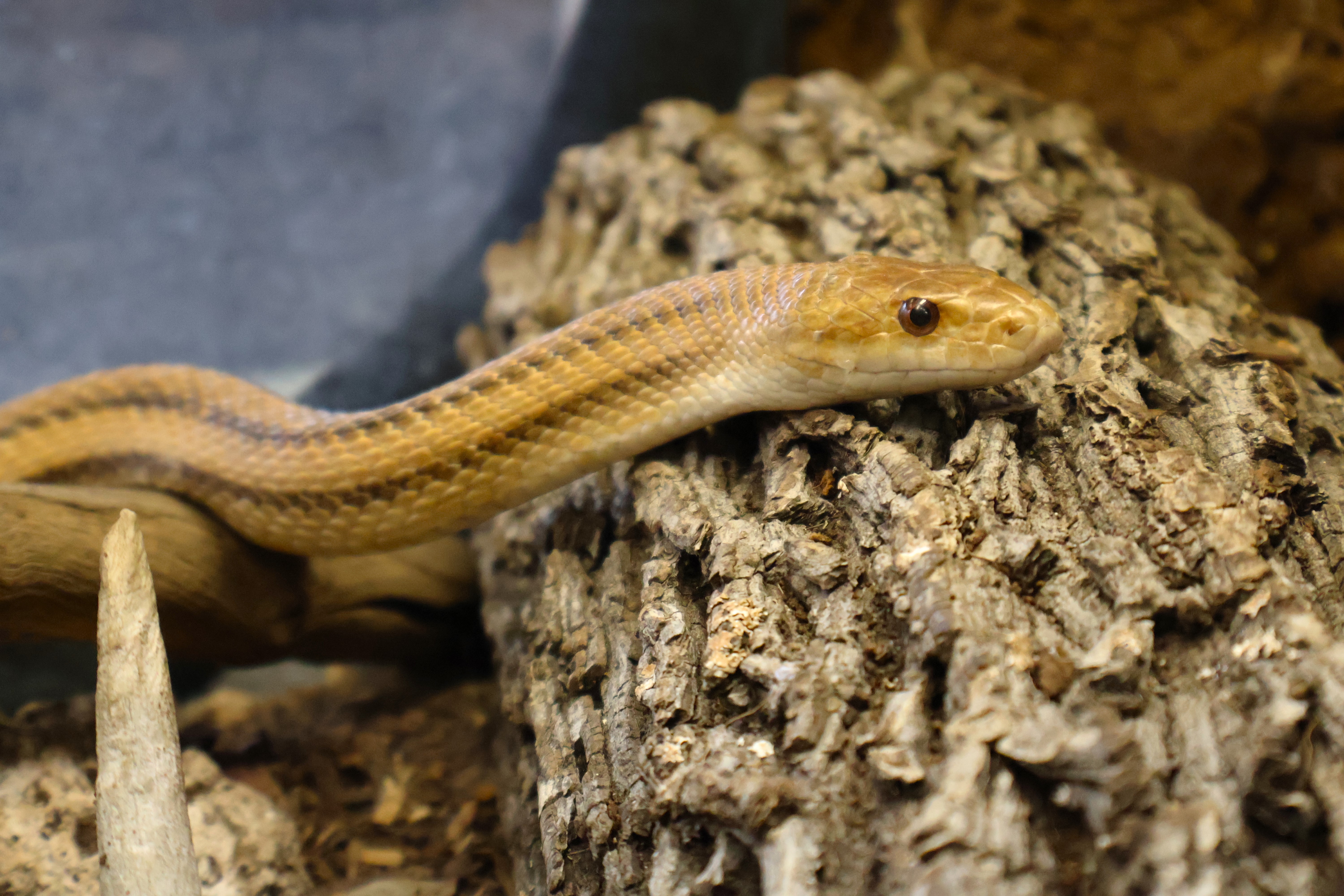
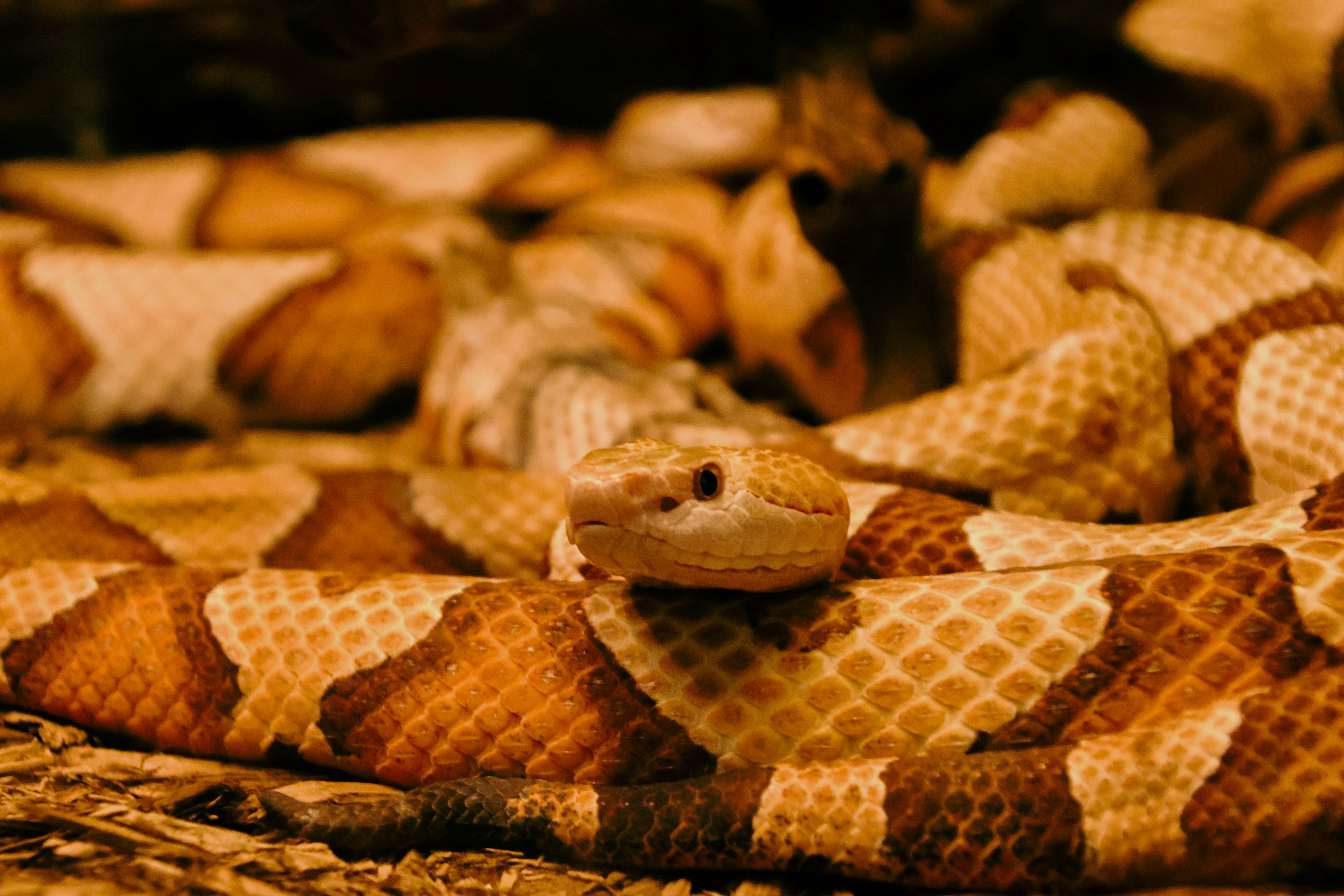
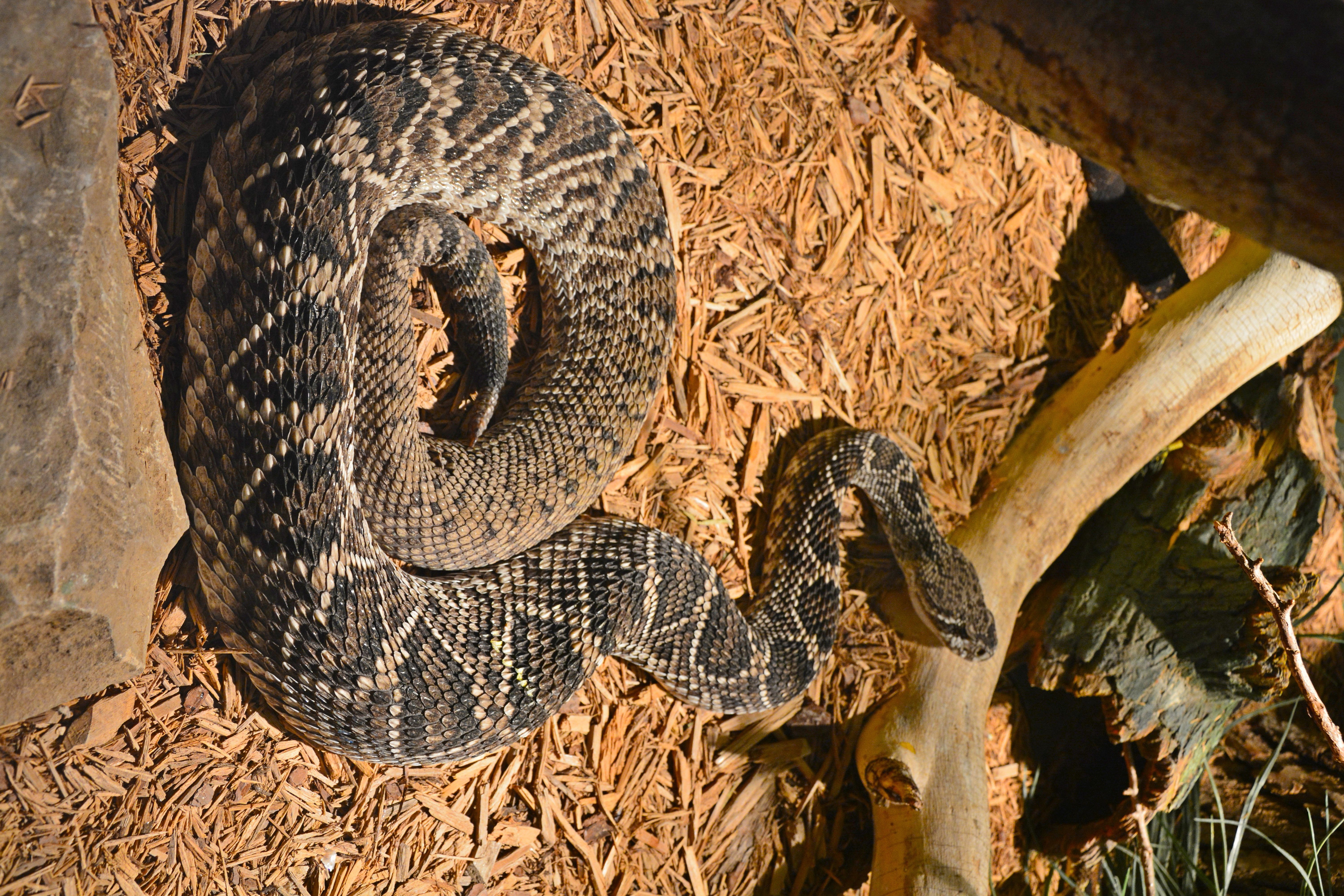
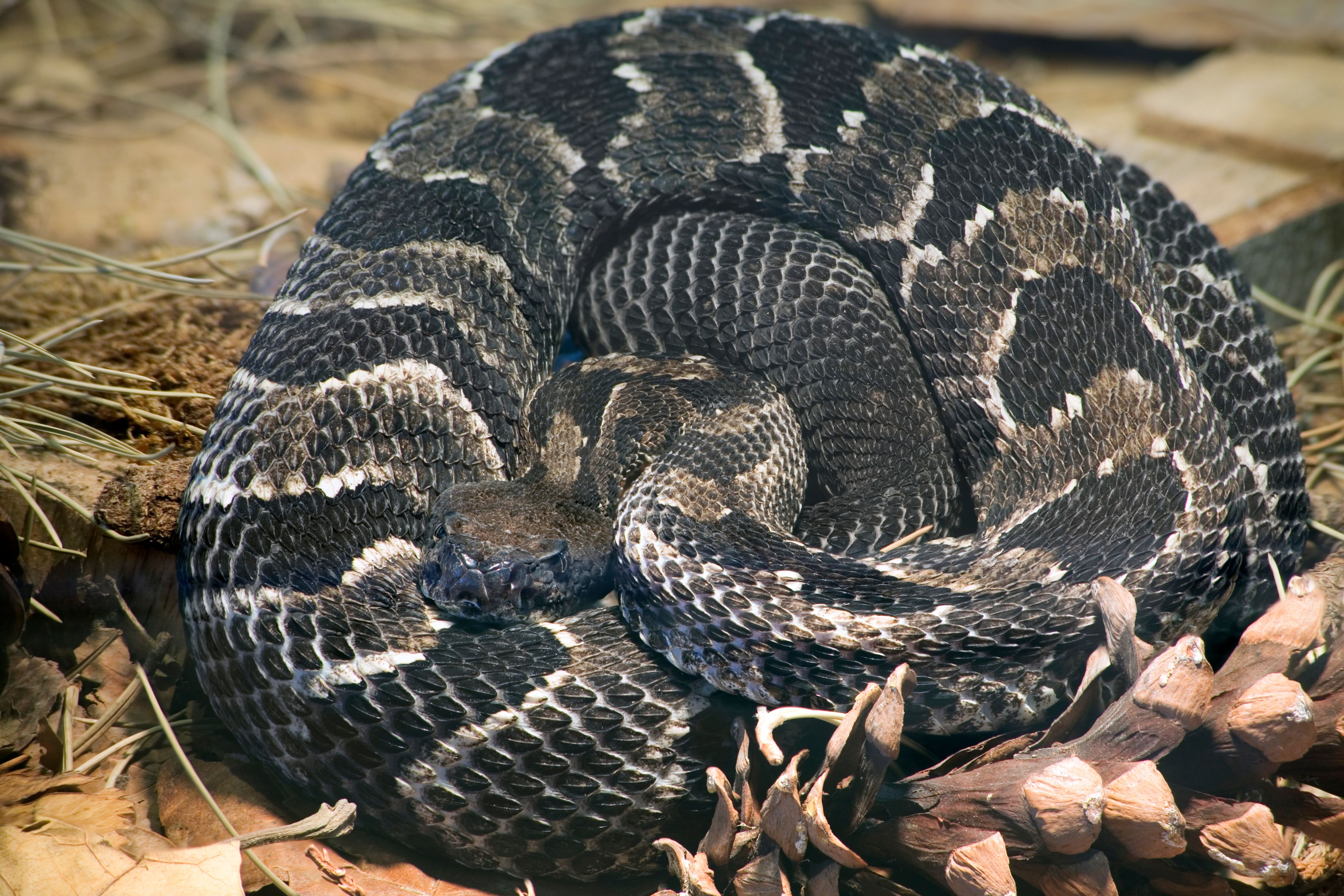
Prairie dogs are ecosystem engineers. Their burrowing aerates soil, improves water absorption, and promotes plant diversity. Their colonies provide shelter for burrowing owls, snakes, insects, and mammals, while also serving as a critical food source for predators. Healthy prairie dog populations are a sign of healthy grasslands, one of North America’s most threatened habitats.
Did you know?
Prairie dogs have one of the most complex vocal communication systems of any mammal, capable of describing different predators.
Their tunnel systems, called “towns,” can span hundreds of acres.
When greeting one another, they touch teeth in what looks like a kiss to recognize colony members.
Prairie dogs take turns standing guard to watch for danger.
Black-tailed prairie dogs remain active year-round, even during winter.