Gopherus polyphemus
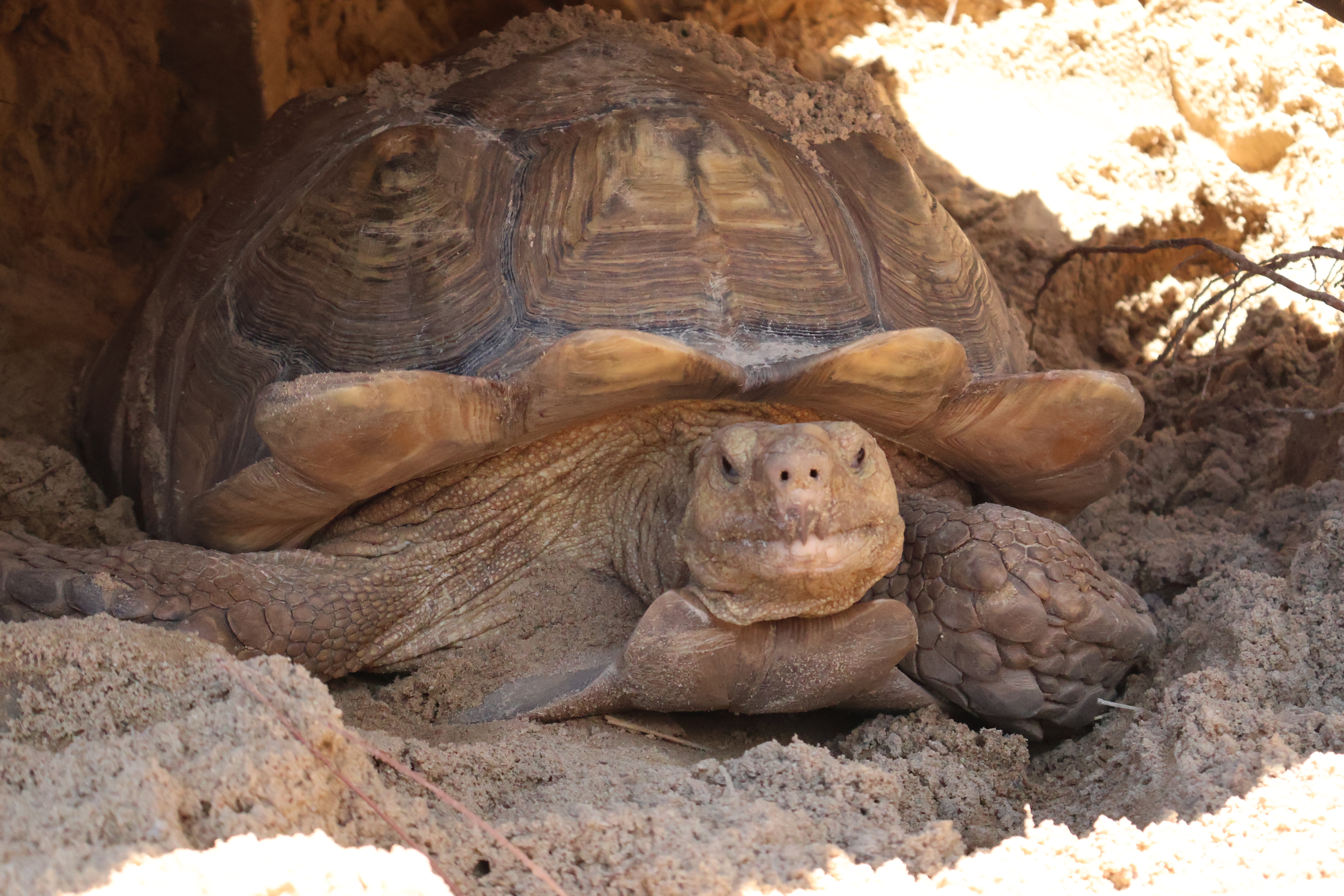
The gopher tortoise is a reptile native to the southeastern United States, particularly in longleaf pine forests and sandy upland habitats throughout Alabama, Mississippi, Georgia, and Florida. With sturdy, shovel-like front legs and a domed shell, gopher tortoises are expert diggers, spending much of their lives in burrows they create beneath the sandy soil.
According to the International Union for Conservation of Nature (IUCN), the gopher tortoise is currently listed as Vulnerable. Populations have declined due to habitat loss, fragmentation, and development across the Southeast. Longleaf pine ecosystems, the tortoise’s preferred habitat, have been reduced to a fraction of their historic range. Because gopher tortoises depend on well-managed, open habitats maintained by natural fire cycles, changes in land use and fire suppression have also impacted their survival. In many states, gopher tortoises are legally protected, and conservation programs focus on habitat restoration, responsible land management, and relocation efforts when development occurs.
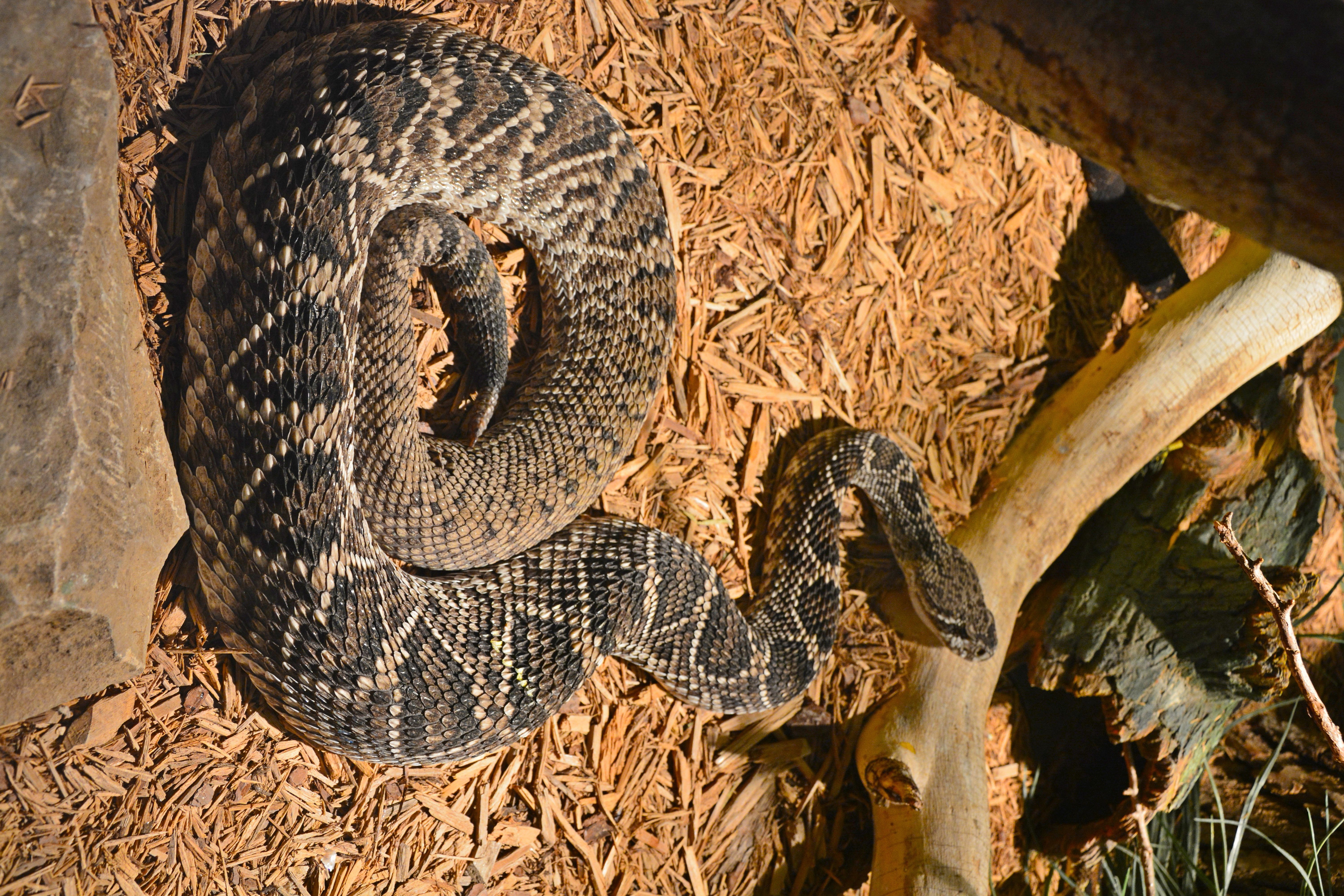
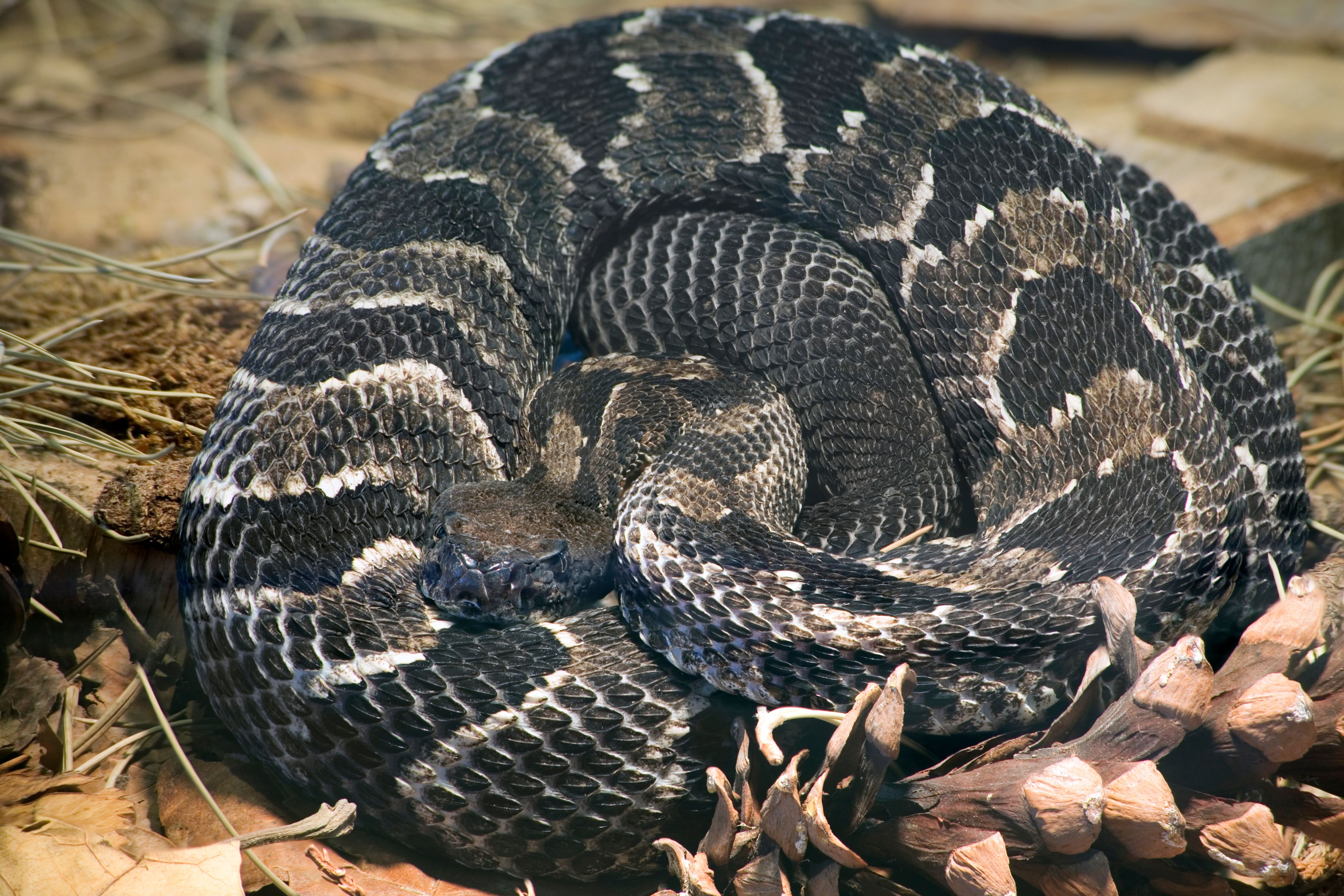
Gopher tortoises are considered a keystone species because their burrows provide shelter for more than 350 other species, including snakes, frogs, insects, and small mammals. These burrows can extend up to 40 feet long and 10 feet deep, offering a stable, temperature-controlled refuge from extreme weather and predators.
Did you know?
Their burrows are large enough for a human to crawl into (though we definitely don’t recommend it!).
Gopher tortoises thrive in habitats shaped by natural fires, which keep vegetation low and promote the plants they eat.
They are herbivores, feeding on grasses, wildflowers, and fruits.
Gopher tortoises can live 40–60 years in the wild.
They spend time basking at the entrance of their burrows to regulate body temperature.