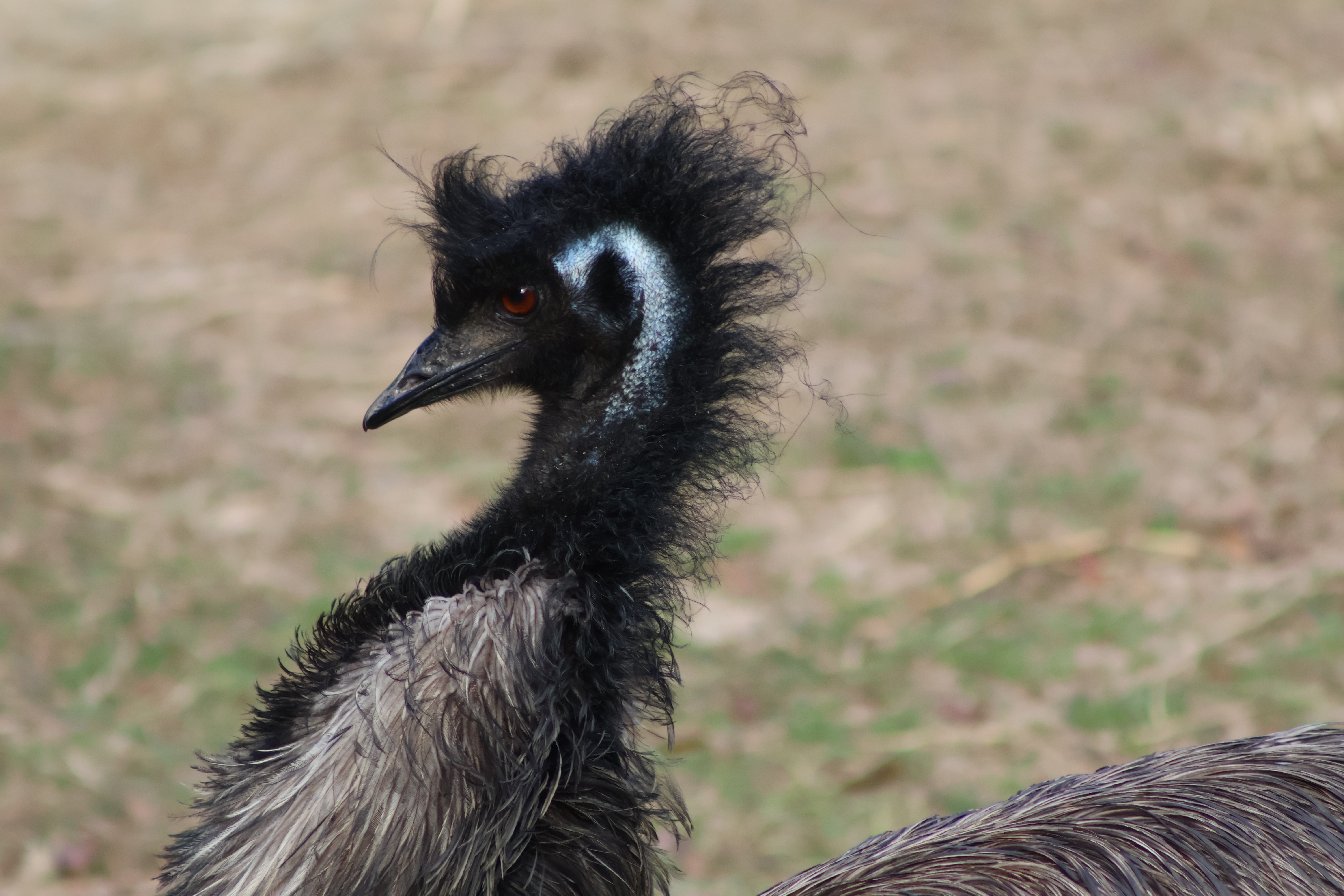
Dromaius novaehollandiae
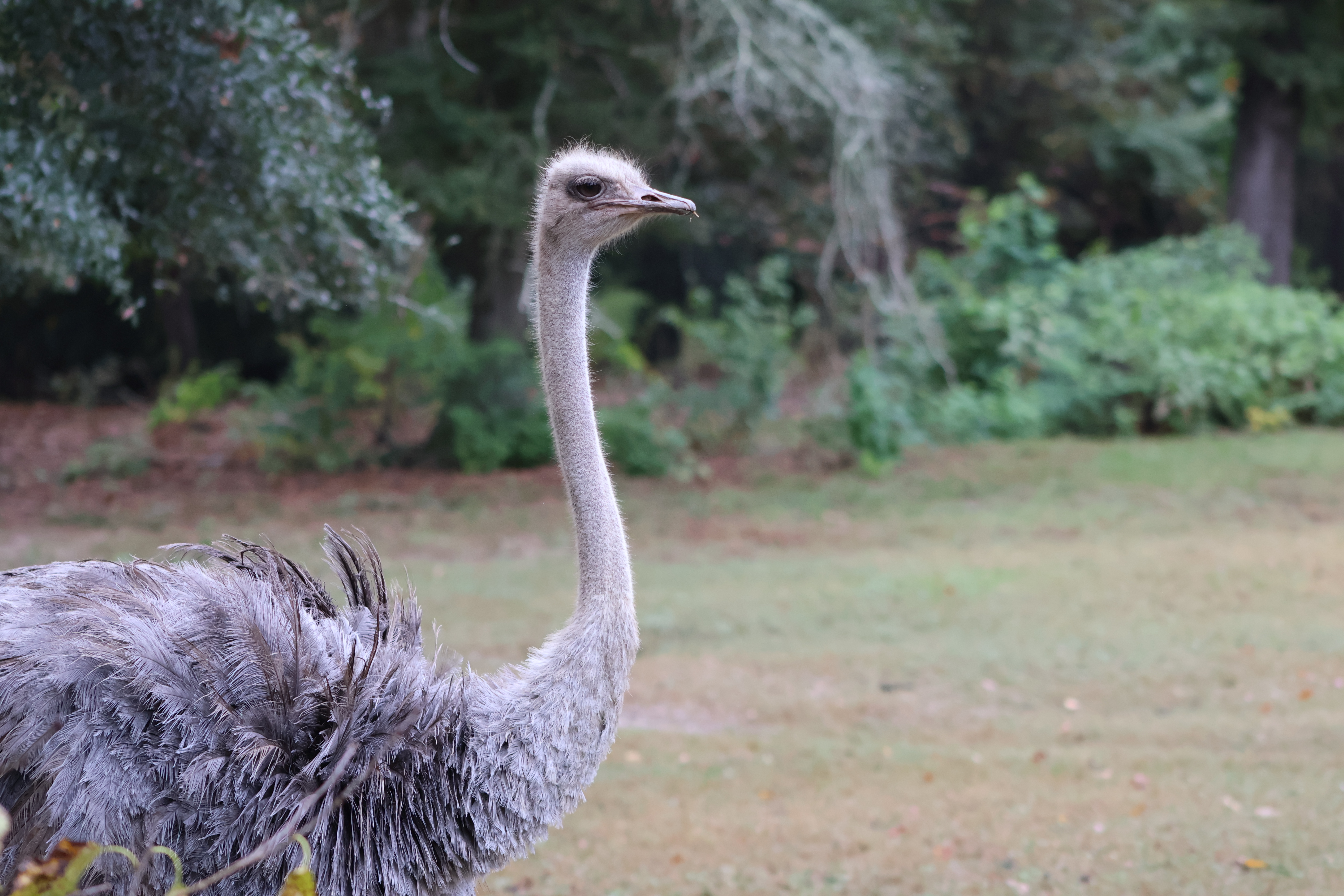
The emu is the second-largest bird in the world, standing up to 6 feet tall and sprinting at speeds of nearly 30 miles per hour. Native to Australia, these powerful, flightless birds are built for life on the open plains. Their long legs help them travel great distances in search of food and water, and their soft, double-shafted feathers protect them from extreme heat.
According to the International Union for Conservation of Nature (IUCN), emus are currently listed as Least Concern, meaning their populations are stable across most of their natural range. However, that doesn’t mean they face no challenges. Habitat changes, fencing, vehicle collisions, and historical overhunting have impacted some regional populations. In fact, certain localized emu populations have gone extinct in the past. Emus also rely on large, connected landscapes to roam. As human development expands, protecting open habitats becomes increasingly important to ensure these iconic birds continue to thrive.
Emus play an important ecological role in their environment. As they travel, they disperse seeds, helping native plants grow across vast landscapes. Protecting species like the emu helps preserve the balance of the ecosystems they call home.
Did you know?
After the female lays her dark green eggs, the male emu incubates them for about 8 weeks...without eating, drinking, or leaving the nest.
Emus can take strides up to 9 feet long when running.
Their feathers help regulate body temperature, keeping them cool in hot Australian climates.
Emus have excellent eyesight and hearing, helping them detect predators from far away.